


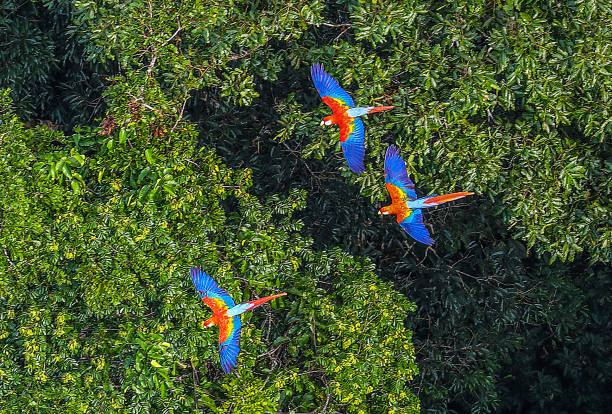
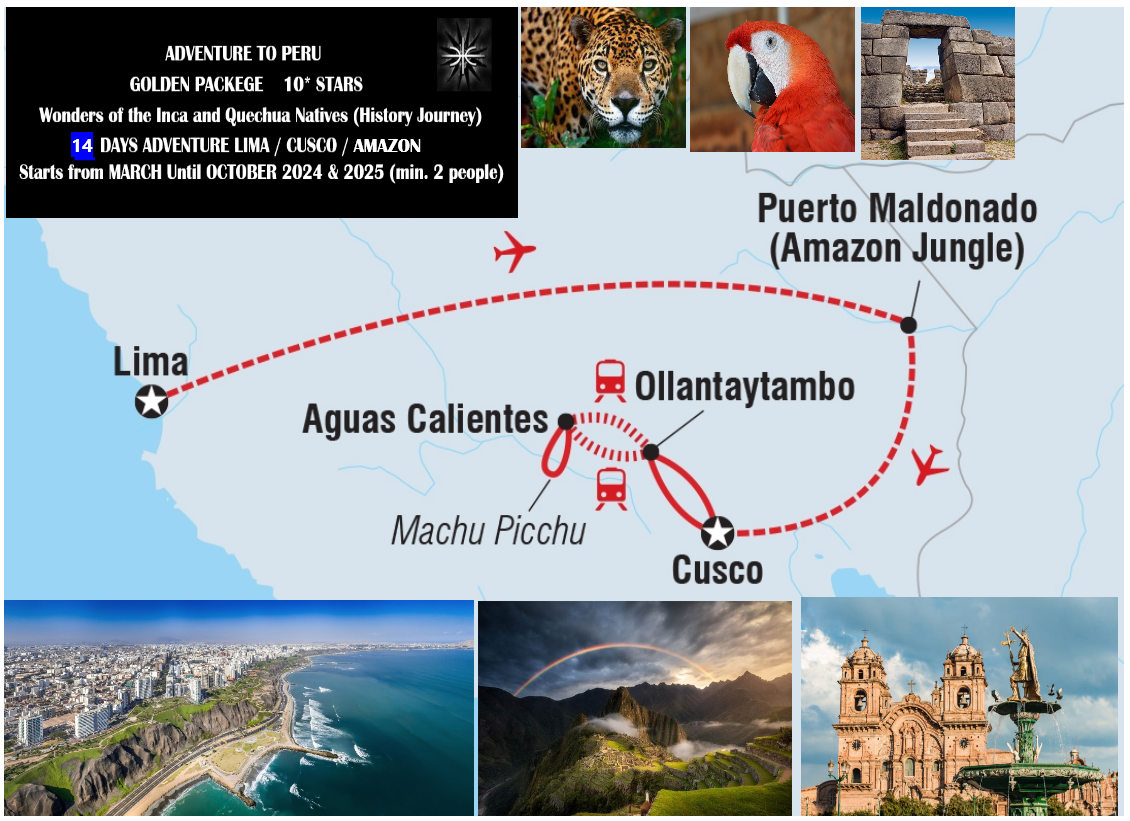
14 DAYS ADVENTURE LIMA – CUSCO – AMAZON (GOLD 10*)
HISTORY – PHOTOGRAPHY – ARCHEOLOGY – MYSTERY
Is Like National Geographic adventure tour + more to see
Starts from MARCH Until OCTOBER 2024 & 2025 (min. 2 people)
YOU HAVE TO KNOW
Not included
Very Important Information
* Those who wish to stay more days in Lima, no problem, if you still want, we can book you hotels in Lima, for as many days as you want, we can also offer you various one-day packages with a guide to different parts of Lima, we can also book you trips for three days from Lima to Paracas, Ica, Nazca, Pisco or Amazon (2,4,5 days) or Chachapoyas (4-5-6 Days) or Puno & Lace Titicaca for (2 Days) which is very interesting to see. There are also many shows that you can get information from our agent or from the hotel where you will be staying.
* For those who like climbing the Andes there are extra packages for 4 days. The price is USD $1.130.00, for 2 days USD $790.00 and this includes all food + (tea, coffee, popcorn and crackers). + tents and more The Inca Trail is without a doubt one of the most beautiful trails in South America and therefore an unforgettable experience not to be missed. The trail leads through the protected wilderness of the Peruvian jungle and forest steppe, passes many Inca archaeological sites and offers spectacular views. The Incas used this route for pilgrimage to the sacred citadel of Machu Picchu.
Group Size Maximun 12 people,
this is an adventours journey confortable for ages 15 to 85 years old
 Arrive in Lima, the capital of Peru, situated on the Pacific Coast. From there, we will transfer to the hotel where we will stay the night in Lima.
LIMA TOURIST SIGHTS
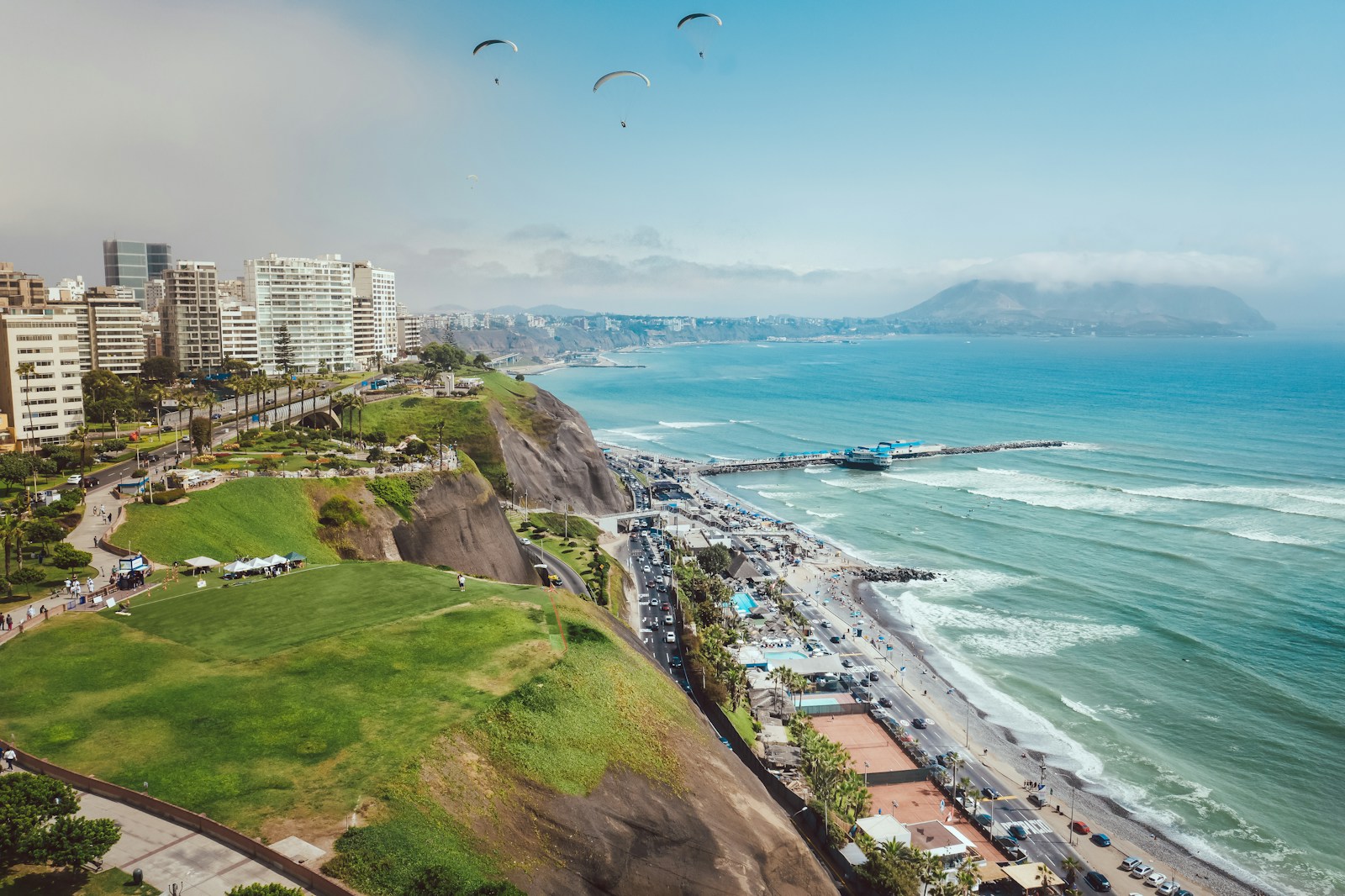
Founded by the conquistador Francisco Pizarro, Plaza Mayor and the surrounding old town retain their colonial feel. In this square you will find the cathedral, one of the most fascinating examples of Baroque architecture in the Americas and home to Pizarro's tomb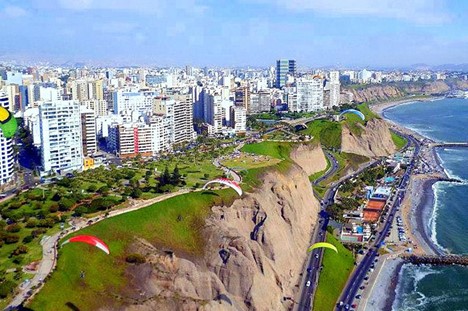 You will find the Malecón towards the end of the Miraflores district.
A perfect walk to get to know this beautiful city.
As you go, you will discover various parks and gardens where you can enjoy the perfect climate and the tranquility of a city that lives in close contact with the sea.
And if the walk isn’t beautiful enough, the five kilometers of the Malecón are just as good.
Take the walk and you will reach the Costa Verde cliffs and their unparalleled views.
Central Square or Plaza de Armas
You will find the Malecón towards the end of the Miraflores district.
A perfect walk to get to know this beautiful city.
As you go, you will discover various parks and gardens where you can enjoy the perfect climate and the tranquility of a city that lives in close contact with the sea.
And if the walk isn’t beautiful enough, the five kilometers of the Malecón are just as good.
Take the walk and you will reach the Costa Verde cliffs and their unparalleled views.
Central Square or Plaza de Armas
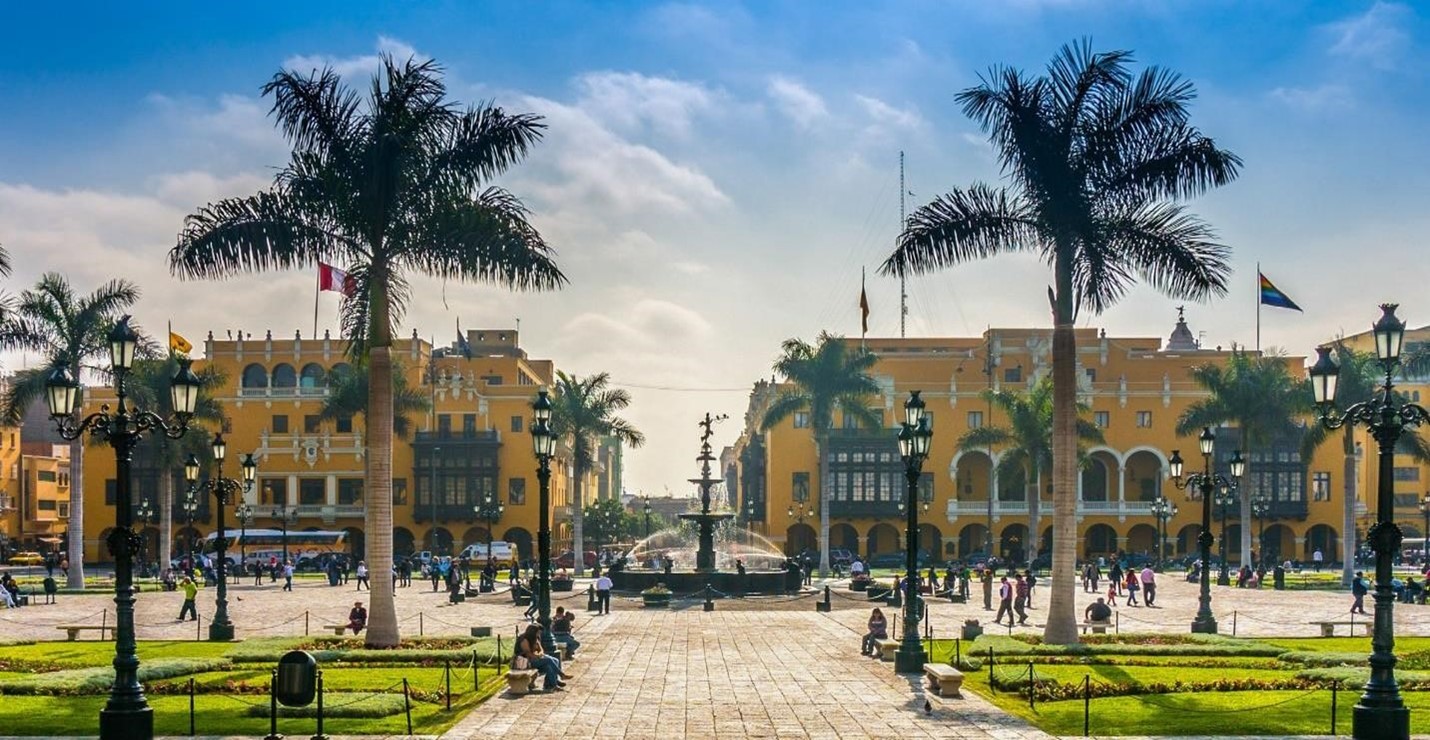
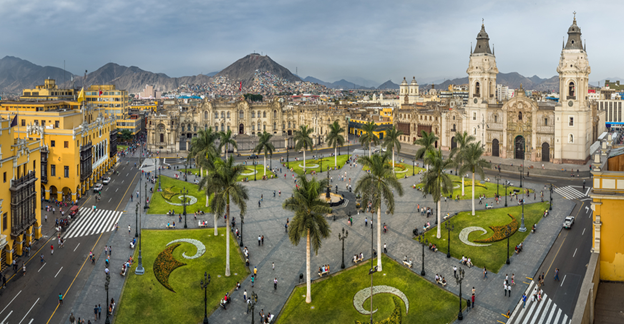 If you decide to travel to Lima, be sure to experience its nerve center; the Plaza de Armas.
This is one of the most photographed sights in the city. Here you will find the archbishop's palace, the government palace and the equestrian statue of Francisco Pizarro.
Some of these buildings are open to visitors, but if you don't feel like going inside, don't worry; seeing just the beauty of their facades is rewarding in itself.
You will also visit many other attractions.
After a break for lunch, we will continue until 16:00, where we will return to the hotel and have the rest of the evening.
Lima central square
If you decide to travel to Lima, be sure to experience its nerve center; the Plaza de Armas.
This is one of the most photographed sights in the city. Here you will find the archbishop's palace, the government palace and the equestrian statue of Francisco Pizarro.
Some of these buildings are open to visitors, but if you don't feel like going inside, don't worry; seeing just the beauty of their facades is rewarding in itself.
You will also visit many other attractions.
After a break for lunch, we will continue until 16:00, where we will return to the hotel and have the rest of the evening.
Lima central square
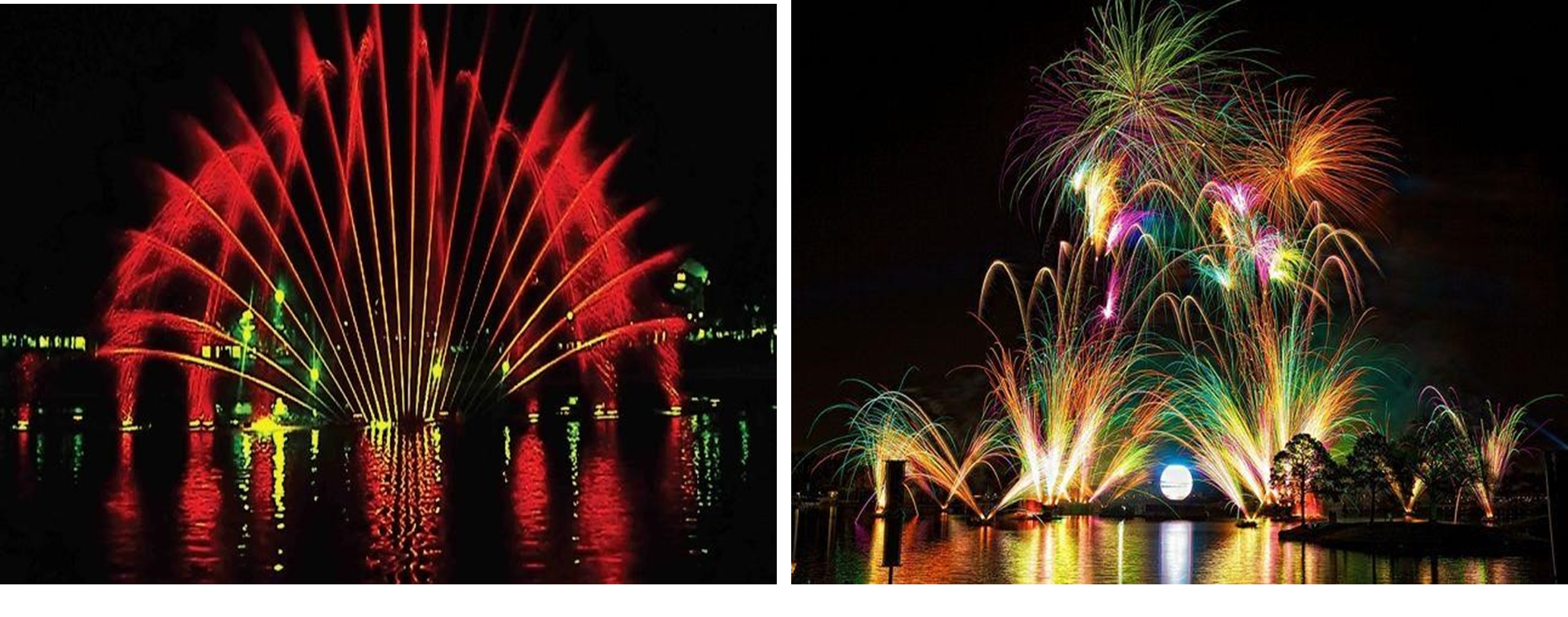
 Of course we will visit other beautiful parts of Lima and in the evening, we will experience Lima with a night walk, and we will also enjoy the famous show with the Magical Circular Waters.
 B.D.
Luxury- Nobility Grand Hotel or Hotel Inkari 4 * Stars or similar.
B.D.
Luxury- Nobility Grand Hotel or Hotel Inkari 4 * Stars or similar. 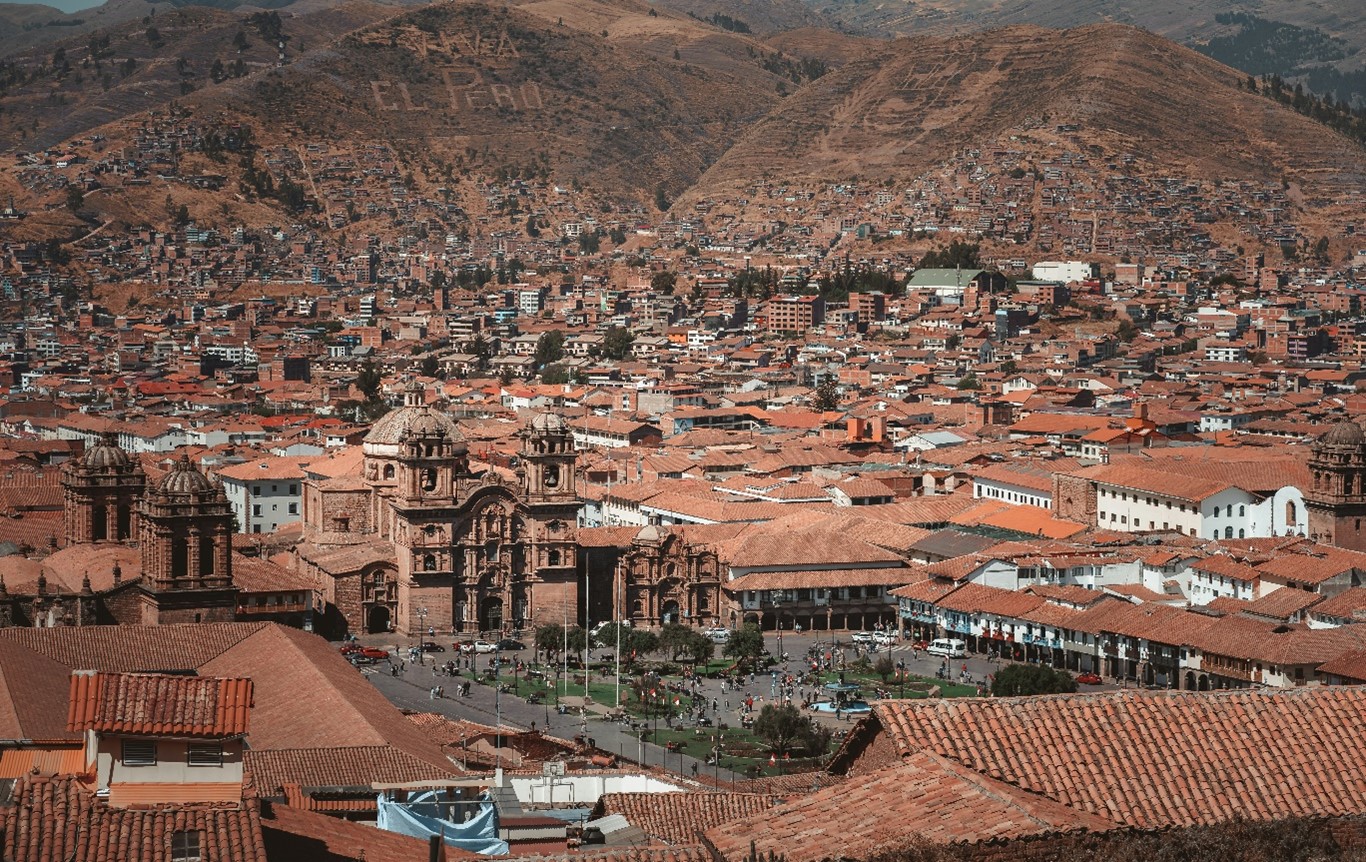 After breakfast at the hotel, you will be transferred to the airport by private bus to depart for the historic state of Cusco the Capital of the Incan Empire from the early 14th century until the Spanish conquest. Cusco is a beautiful city with a magical feel.
A gateway city to the famous Machu Picchu, the city is situated in a valley of the Andes Mountains with not only historical Incan ruins, but Spanish architecture and wealth. A luxury trip to Cusco is not to be missed on any Peru tour.
Our guides will unlock the experience of Cusco for you, not only explaining the history, but also the hidden secrets of today’s city, from interesting restaurants to local artisans’ workshops.
One cannot visit the Machu Picchu ruins without also visiting all the history and culture that this city has to offer making it the archeological capital of the Americas.
Native Incans still inhabit the area speaking their Quechua language and thriving primarily off agriculture.
After breakfast at the hotel, you will be transferred to the airport by private bus to depart for the historic state of Cusco the Capital of the Incan Empire from the early 14th century until the Spanish conquest. Cusco is a beautiful city with a magical feel.
A gateway city to the famous Machu Picchu, the city is situated in a valley of the Andes Mountains with not only historical Incan ruins, but Spanish architecture and wealth. A luxury trip to Cusco is not to be missed on any Peru tour.
Our guides will unlock the experience of Cusco for you, not only explaining the history, but also the hidden secrets of today’s city, from interesting restaurants to local artisans’ workshops.
One cannot visit the Machu Picchu ruins without also visiting all the history and culture that this city has to offer making it the archeological capital of the Americas.
Native Incans still inhabit the area speaking their Quechua language and thriving primarily off agriculture.
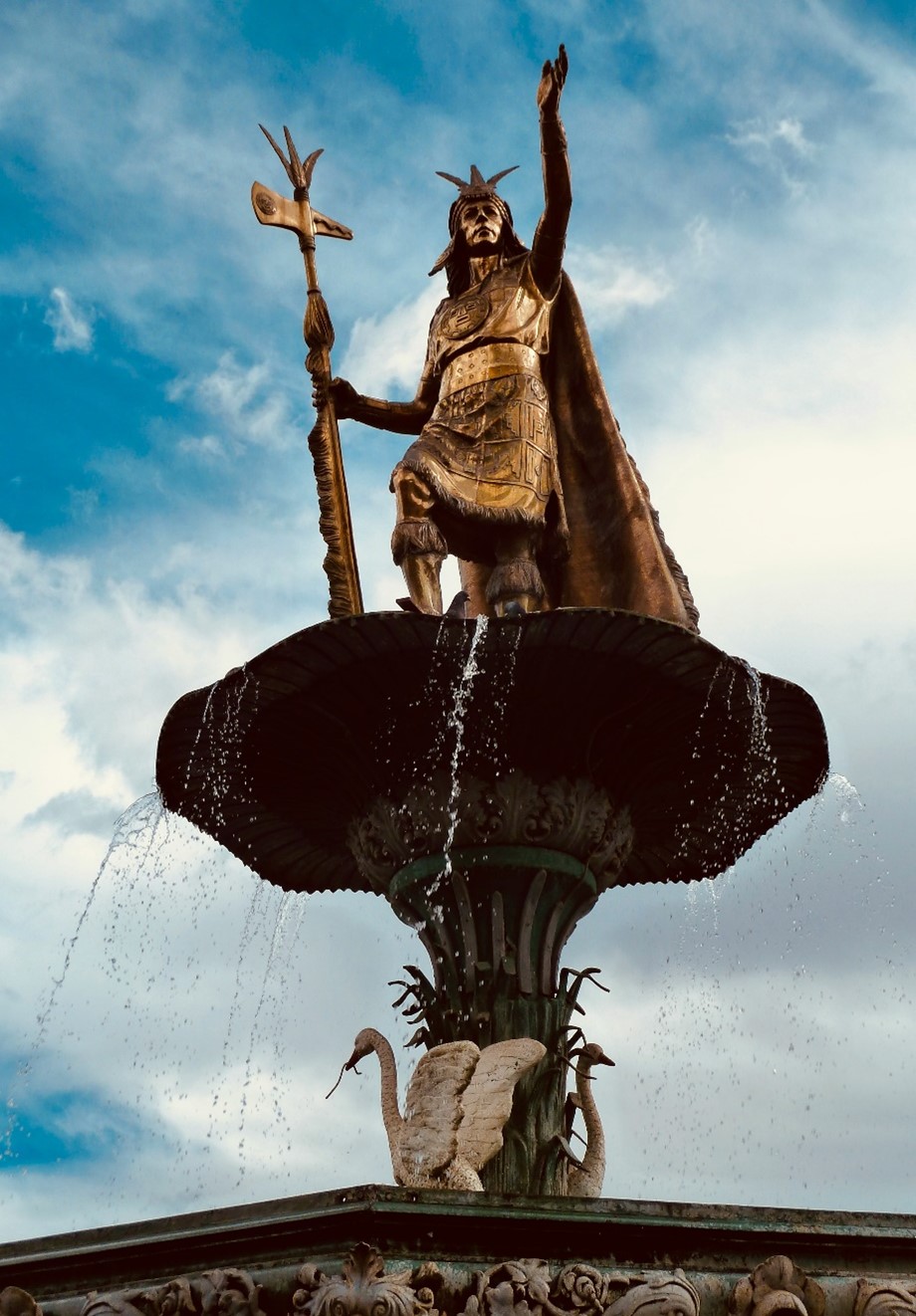 The cobblestone streets, adobe houses, and open markets add to Cusco’s unique charm.
After the airport you will go to the hotel a little rest from your flight.
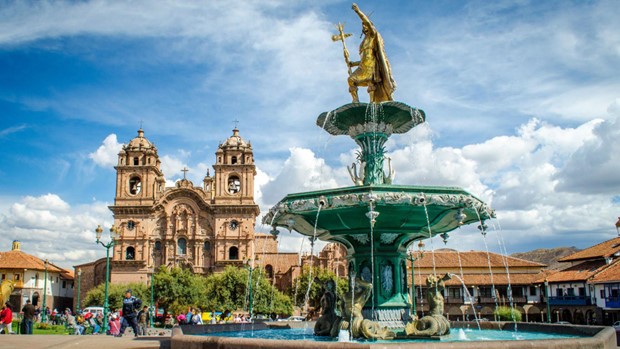
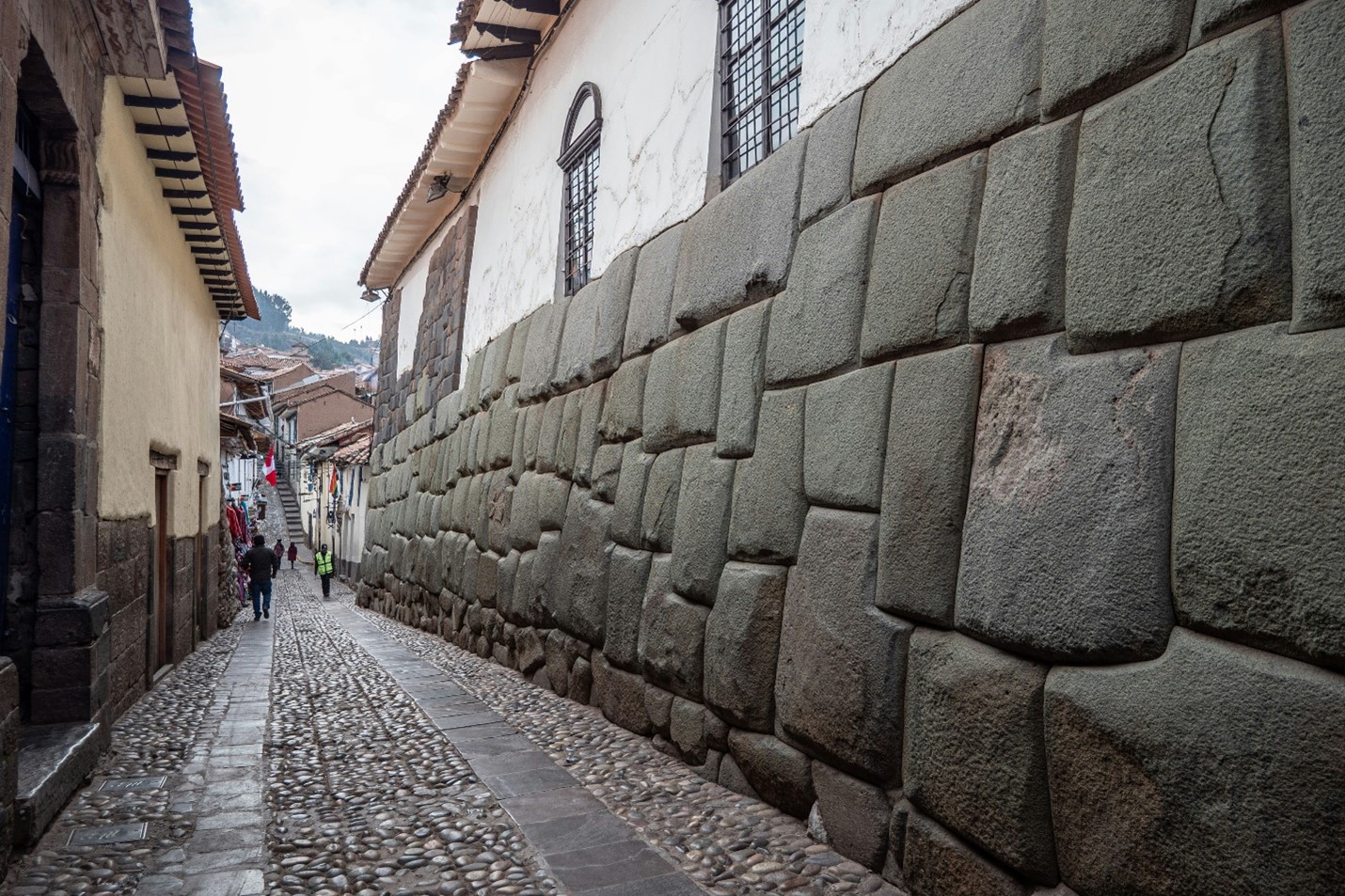
Later we will all proceed together through the narrow streets of Cusco and we will see the ancient walls of the Incas (12 angles stone). We will go to the central square of the chariots and then we will visit the temple (Coricancha). The golden temple, as the Quechua call it, was the most important temple in the Inca Empire.
It was dedicated to Inti (Sun God) and is located in the former Inca capital of Cusco.
Most of the temple was destroyed after the 16th century war with the Spanish conquistadors, as the settlers also dismantled it to build their own churches and residences.
Later we can decide whether to return to the hotel or go to one of the restaurants in Cusco together. B.
The cobblestone streets, adobe houses, and open markets add to Cusco’s unique charm.
After the airport you will go to the hotel a little rest from your flight.
Later we will all proceed together through the narrow streets of Cusco and we will see the ancient walls of the Incas (12 angles stone). We will go to the central square of the chariots and then we will visit the temple (Coricancha). The golden temple, as the Quechua call it, was the most important temple in the Inca Empire.
It was dedicated to Inti (Sun God) and is located in the former Inca capital of Cusco.
Most of the temple was destroyed after the 16th century war with the Spanish conquistadors, as the settlers also dismantled it to build their own churches and residences.
Later we can decide whether to return to the hotel or go to one of the restaurants in Cusco together. B.
 Hotel Costa del Sol Wyndham 4* or Hotel Rumi Punku or similar
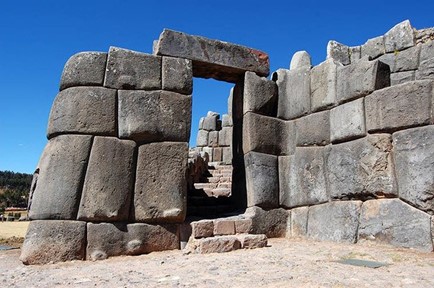
 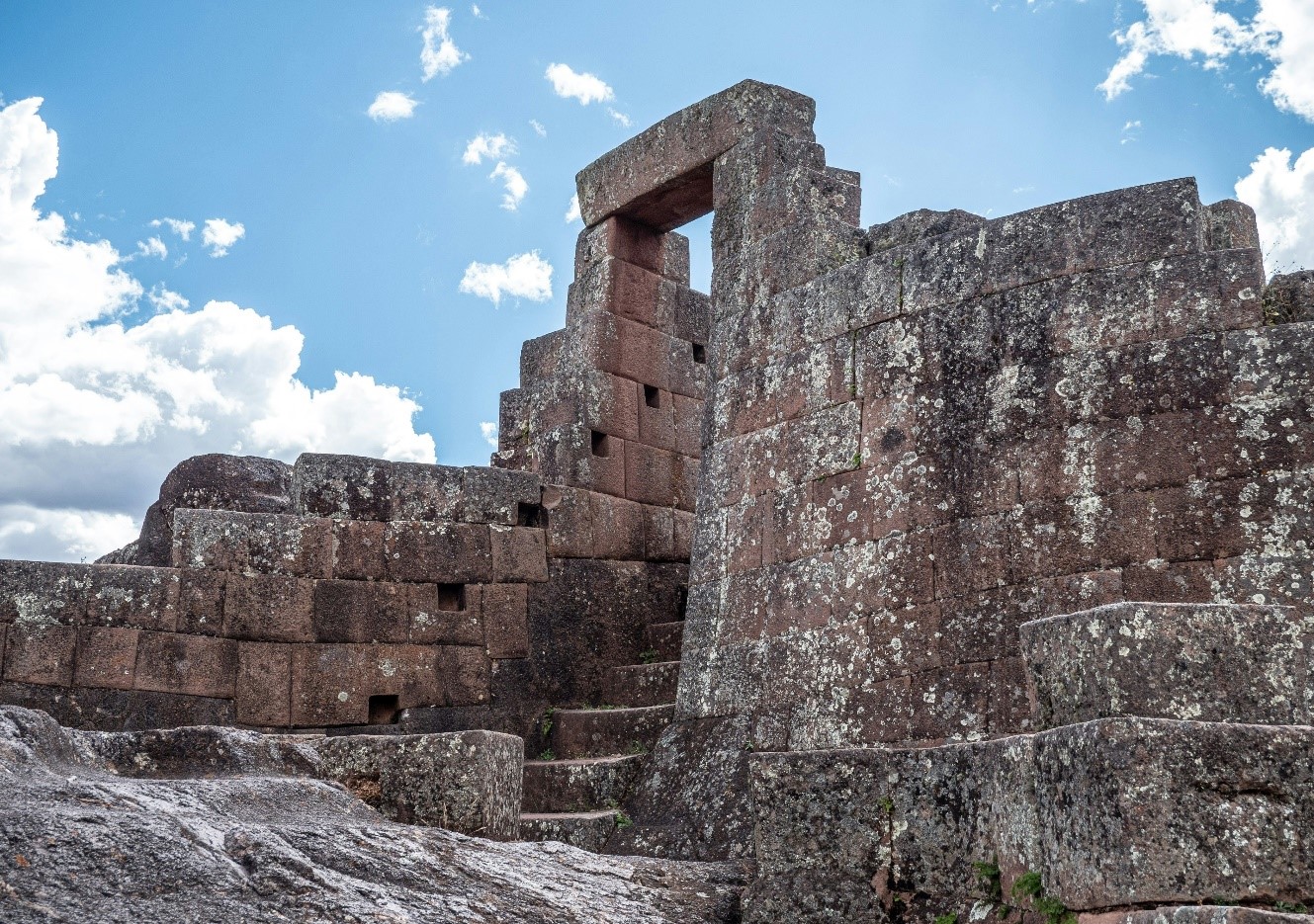 The complex was built by the Incas in the 15th century, particularly under Pachacuti and successors. They built dry stone walls made of huge stones, where workers carefully cut the blocks to fit together tightly without mortar. The site is at an elevation of 3,701 m (12,142 ft).
Later we will visit other Inca places such as Quengo, Puca Pucara, and Tambomachay which are all parts of the Sacsayhuaman palaces.
Afterwards, we will visit an asylum housing various animals and condors before we return to Cusco. B
The complex was built by the Incas in the 15th century, particularly under Pachacuti and successors. They built dry stone walls made of huge stones, where workers carefully cut the blocks to fit together tightly without mortar. The site is at an elevation of 3,701 m (12,142 ft).
Later we will visit other Inca places such as Quengo, Puca Pucara, and Tambomachay which are all parts of the Sacsayhuaman palaces.
Afterwards, we will visit an asylum housing various animals and condors before we return to Cusco. B
Hotel Costa del Sol Wyndham 4* or Hotel Rumi Punku or similar
Things to see in the Sacred Valley
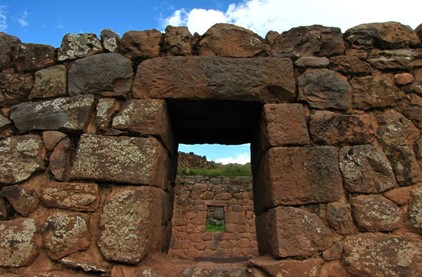
There are simply so many things to see in the Sacred Valley that it can be difficult to get your mind around planning a route. Above the Urubamba River, on top of a mountain are the magnificent Pisac ruins. A 2-hour hiking trail connects the ruins to the colonial town of Pisac, and although the hike can be a bit strenuous at this altitude, you'll be well-rewarded by a well-preserved selection of Inca ruins that easily rival Machu Picchu in size and the complexity. Probably built as a defense system, the sweeping stone terraces, buildings and circular surfaces will take your breath away, as will the stunning views of the Sacred Valley. Even higher in altitude than Cusco is the charming little town of Chinchero, home to Inca architecture and a lively local market. Chinchero is known as the center of Peruvian textiles. The local weaving center offers demonstrations and workshops to visitors, who can purchase the finished products at bargain prices. The salt mines of Maras are perhaps the most curious attraction of the Sacred Valley. These salt mines, in use since pre-Inca times, are a clever invention, as well as incredibly photogenic. Every family in the local communities owns one of the salt ponds and collects salt once the sun evaporates the spring water from the pond. You can even buy Maras salt in the local souvenir shops! If you are traveling to the Sacred Valley in the hope of meeting locals, you cannot miss visiting Ollantaytambo, called "the only living city of the Incas". Dating back to the 15th century and once an important royal estate of a powerful Inca emperor, today it entices travelers to explore its archaeological sites and meet the locals, many of whom wear traditional clothing and live in ancient Incan dwellings. A fortress, terraces and plaza, dating back to the Inca era, are also located in Ollantaytambo.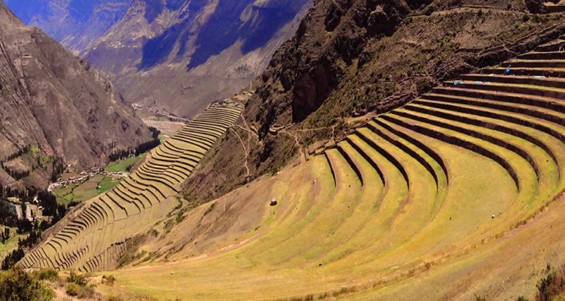
 After breakfast at the hotel we start for another interesting day.
We will go by private bus to Tipon and Pisac, two archaeological palaces of the pre-Inca (unidentified) constructions.
Later we will go to a large market (Picaq Market) where you will be able to buy many things at very low prices.
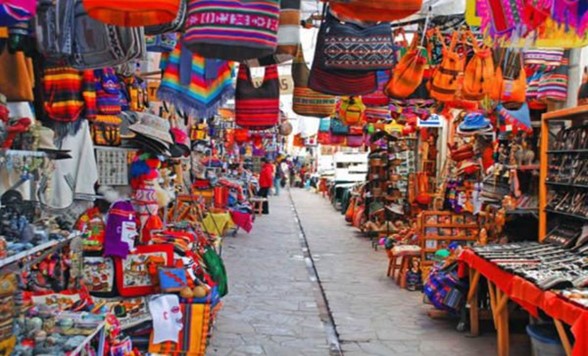
Finally, a tour of the Sacred Valley would be incomplete without visiting the Pisac Market, the best place in the valley to experience the vibrant Quechua culture. If you visit the Pisac market on a Sunday, you will see local communities from around the Andes gather to sell their products and buy supplies.
You'll also find plenty of stalls selling Andean textiles and souvenirs, such as warm ponchos, essential for keeping warm at altitude. B. L.
After breakfast at the hotel we start for another interesting day.
We will go by private bus to Tipon and Pisac, two archaeological palaces of the pre-Inca (unidentified) constructions.
Later we will go to a large market (Picaq Market) where you will be able to buy many things at very low prices.
Finally, a tour of the Sacred Valley would be incomplete without visiting the Pisac Market, the best place in the valley to experience the vibrant Quechua culture. If you visit the Pisac market on a Sunday, you will see local communities from around the Andes gather to sell their products and buy supplies.
You'll also find plenty of stalls selling Andean textiles and souvenirs, such as warm ponchos, essential for keeping warm at altitude. B. L.
 Later we will arrive in Ollantaytambo where we will stay the night.
Hotel Sol Natura or similar
Later we will arrive in Ollantaytambo where we will stay the night.
Hotel Sol Natura or similar 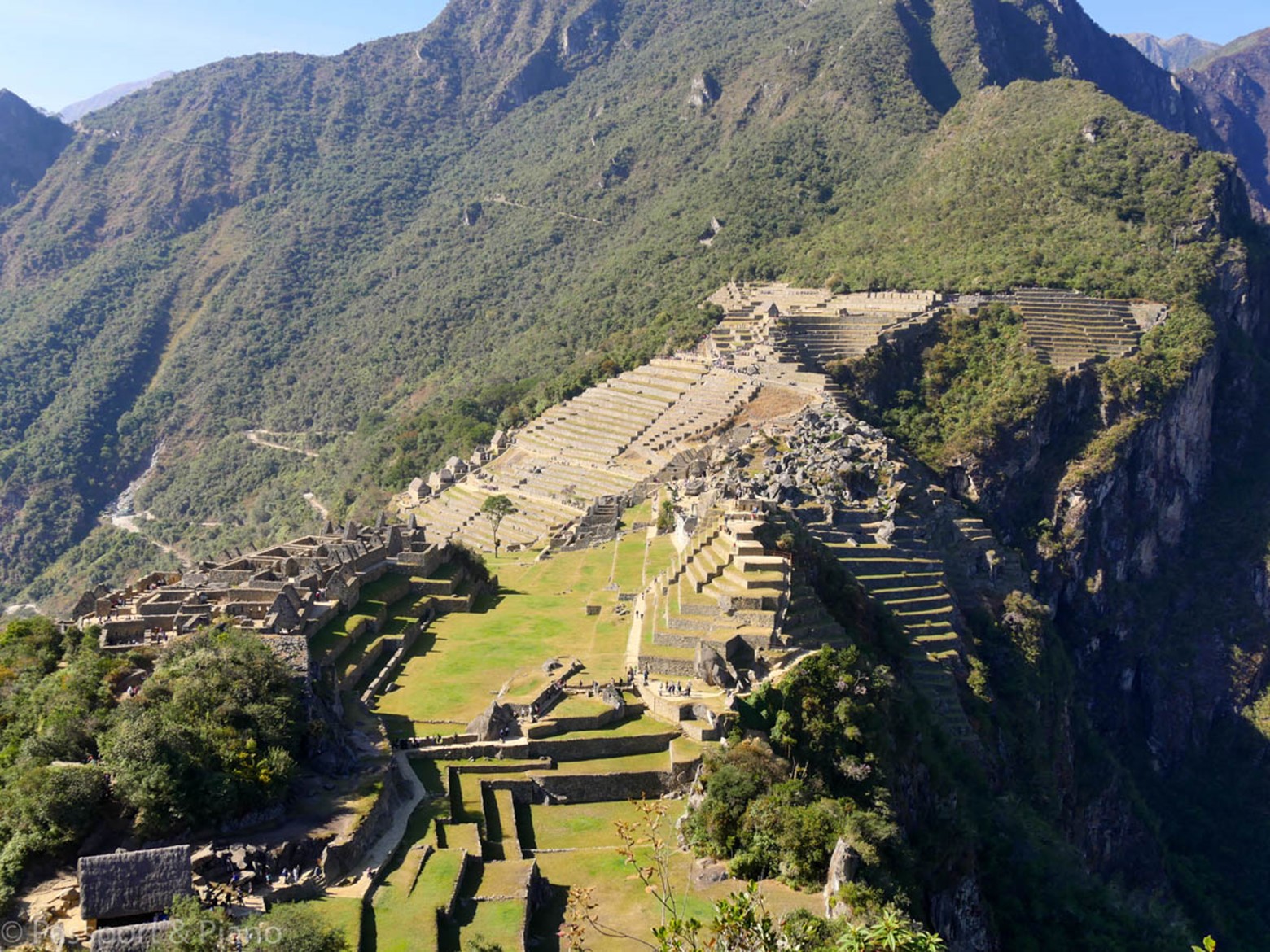 After breakfast at the hotel, we will explore the Inca buildings and the famous giant stairs. This is an Inca city and archaeological site in southern Peru about 72 km (45 mi) by road northwest of the city of Cusco. It is located at an altitude of 2,792 m (9,160 ft) above sea level in Ollantaytambo District, Urubamba Province, Cusco Region.
During the Inca Empire, Ollantaytambo was the royal estate of Emperor Pachacuti, who conquered the area and built the city and a ceremonial center. At the time of the Spanish conquest of Peru, it served as a stronghold for Manco Inca Yupanqui, leader of the Inca resistance. Today, located in what is called the Sacred Valley of the Incas, it is a major tourist attraction because of the Inca ruins.
Later we will visit two other areas with the mysteries of Peru, Maras and Moray region.
Moray is an archaeological site in Peru about 50 kilometers (31 mi) northwest of Cusco on a high plateau about 3,500 meters (11,500 ft) and just west of the village of Maras.
The site contains Inca ruins, which mostly consist of several circular ditches, the largest of which is about 30 m (98 ft) deep. As with many other Inca sites, it also has an irrigation system.
After breakfast at the hotel, we will explore the Inca buildings and the famous giant stairs. This is an Inca city and archaeological site in southern Peru about 72 km (45 mi) by road northwest of the city of Cusco. It is located at an altitude of 2,792 m (9,160 ft) above sea level in Ollantaytambo District, Urubamba Province, Cusco Region.
During the Inca Empire, Ollantaytambo was the royal estate of Emperor Pachacuti, who conquered the area and built the city and a ceremonial center. At the time of the Spanish conquest of Peru, it served as a stronghold for Manco Inca Yupanqui, leader of the Inca resistance. Today, located in what is called the Sacred Valley of the Incas, it is a major tourist attraction because of the Inca ruins.
Later we will visit two other areas with the mysteries of Peru, Maras and Moray region.
Moray is an archaeological site in Peru about 50 kilometers (31 mi) northwest of Cusco on a high plateau about 3,500 meters (11,500 ft) and just west of the village of Maras.
The site contains Inca ruins, which mostly consist of several circular ditches, the largest of which is about 30 m (98 ft) deep. As with many other Inca sites, it also has an irrigation system.
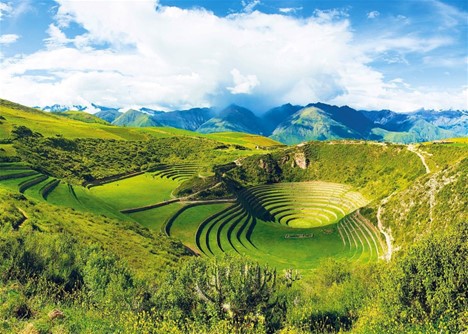 The purpose of these depressions is uncertain, but their depth, design, and orientation relative to the wind and sun create a temperature difference of up to 5 °C (9 °F) between top and bottom.
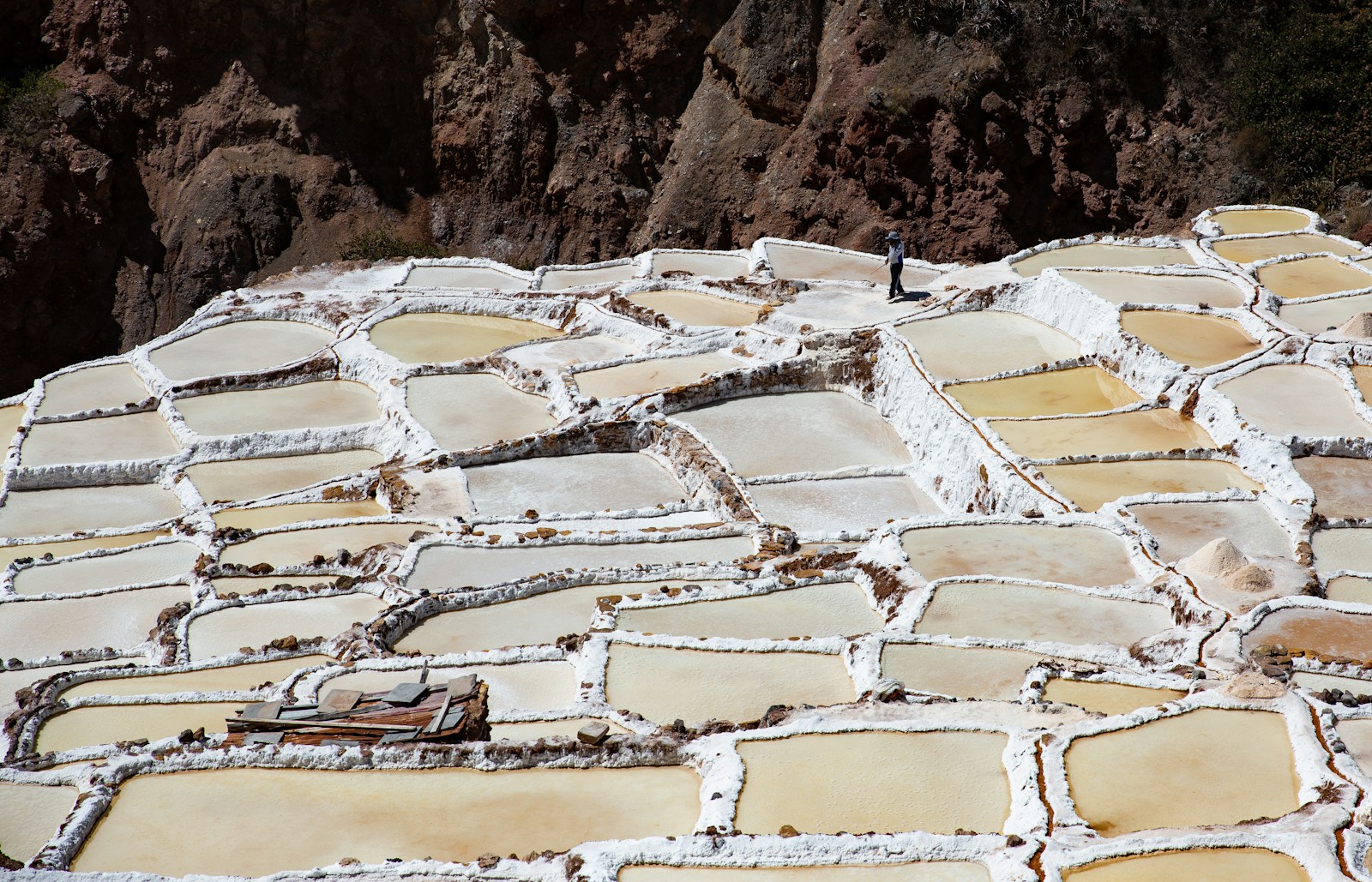
Maras is a city in the Sacred Valley of the Incas, 40 kilometers north of Cusco, in the Cusco region of Peru.
The city is known for its salt evaporation ponds, located towards Urubamba from the city center, which have been in use since Inca times.
The salt evaporation ponds are located four kilometers north of the city, down a canyon that descends to the Rio Vilcanota and the Sacred Valley of the Incas.
There are over 5,000 salt lakes, some owned by families and others unused. B.
The purpose of these depressions is uncertain, but their depth, design, and orientation relative to the wind and sun create a temperature difference of up to 5 °C (9 °F) between top and bottom.
Maras is a city in the Sacred Valley of the Incas, 40 kilometers north of Cusco, in the Cusco region of Peru.
The city is known for its salt evaporation ponds, located towards Urubamba from the city center, which have been in use since Inca times.
The salt evaporation ponds are located four kilometers north of the city, down a canyon that descends to the Rio Vilcanota and the Sacred Valley of the Incas.
There are over 5,000 salt lakes, some owned by families and others unused. B.
 Hotel Sol Natura Hotel or similar
 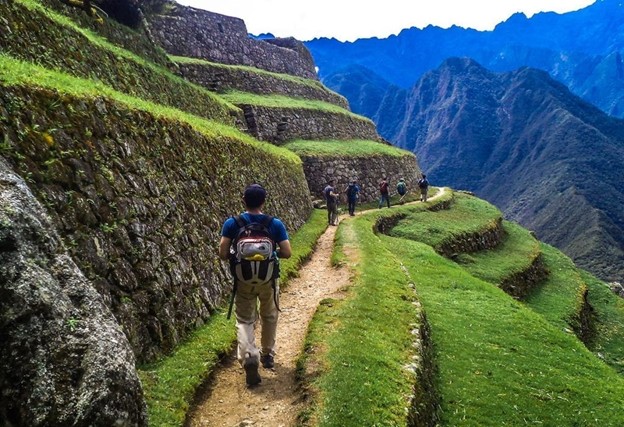 For those who will stay behind in Ollantaytambo, there will be an opportunity to visit the city to take many photos.
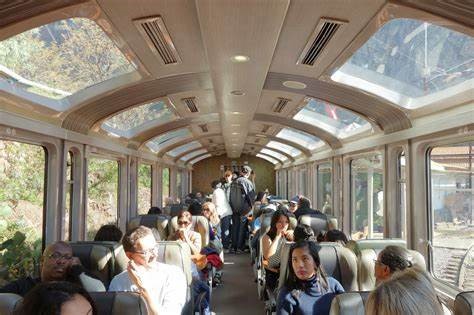
At about 14:00, those who are not hiking will leave with the train which features a glass sky so you can enjoy the landscapes around you until you reach Aquas Calientes (hot waters).
For those who will stay behind in Ollantaytambo, there will be an opportunity to visit the city to take many photos.
At about 14:00, those who are not hiking will leave with the train which features a glass sky so you can enjoy the landscapes around you until you reach Aquas Calientes (hot waters).
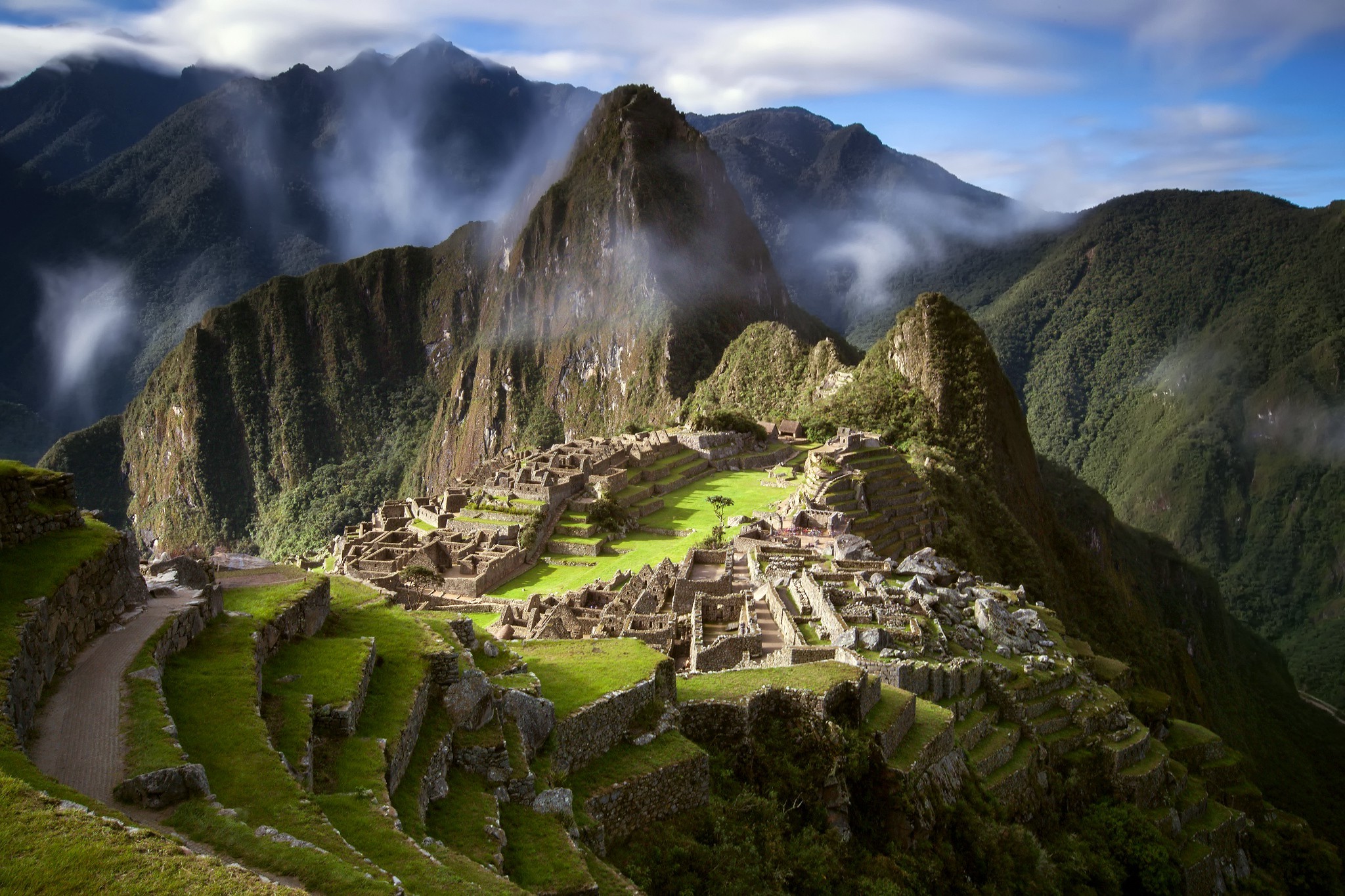 The names of the buildings, their supposed uses and their inhabitants are all the products of modern archaeologists, based on physical evidence, including tombs at the site.
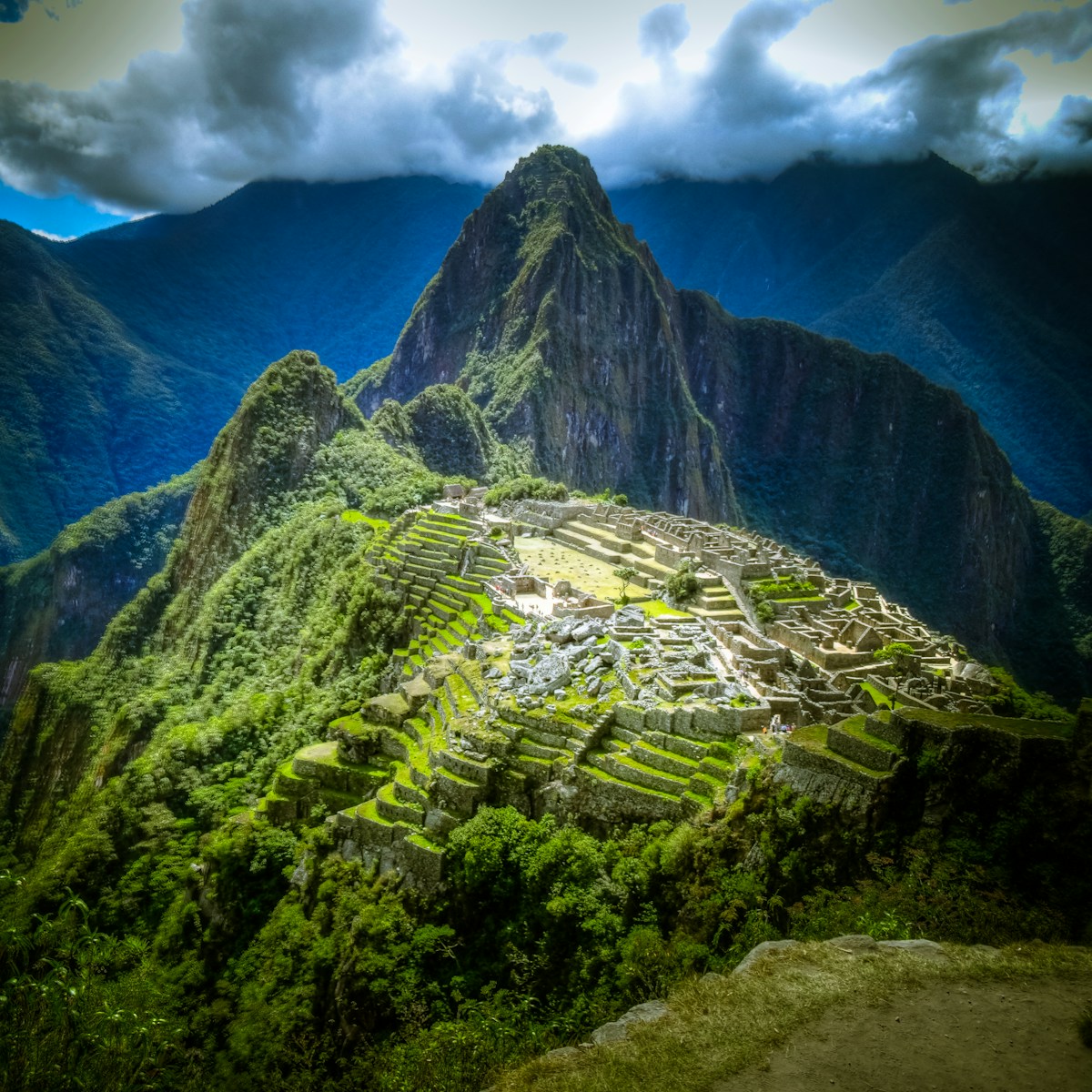
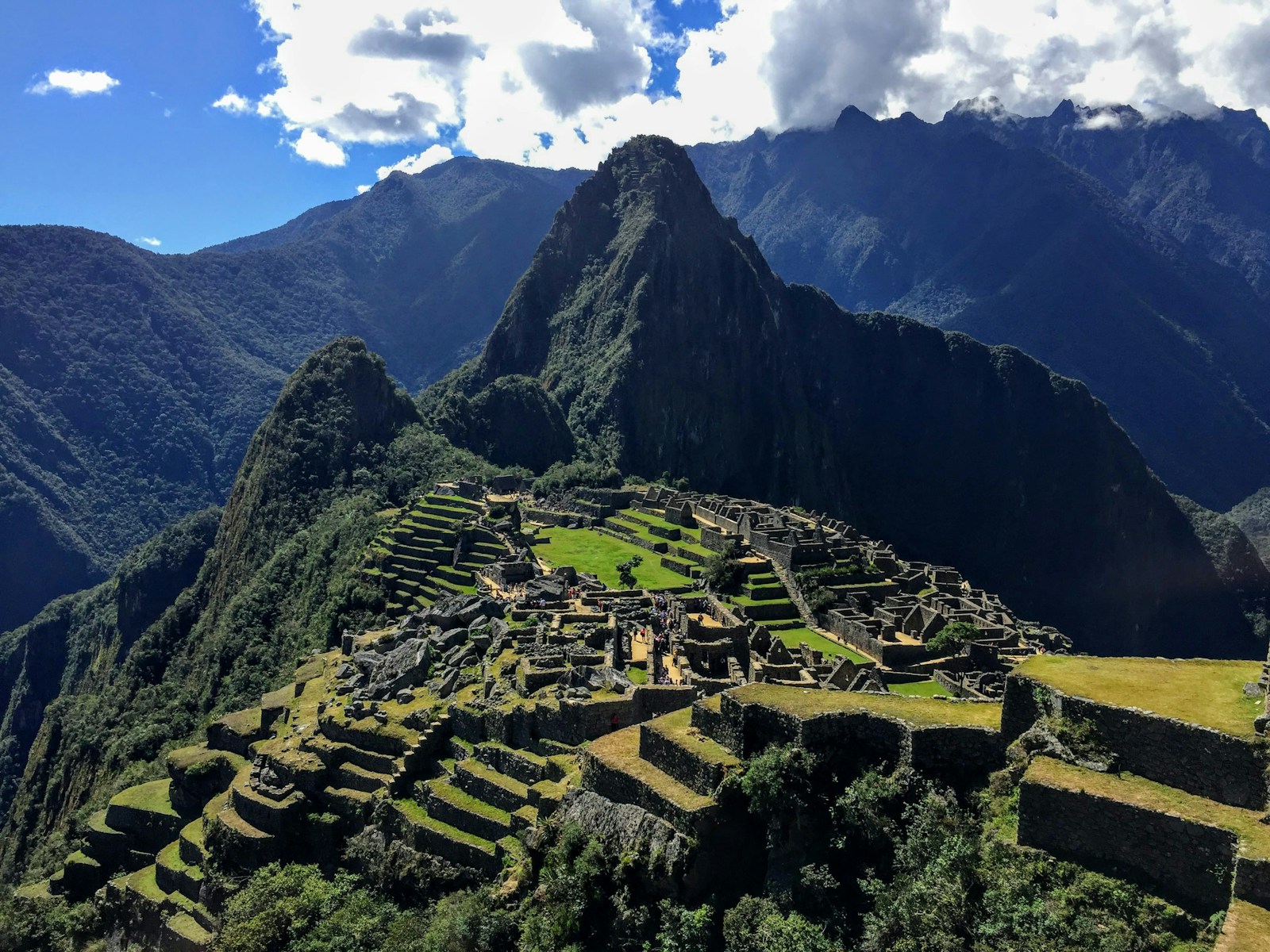
More recent archaeologists believe that Machu Picchu was built as an estate for the Inca emperor Pachacuti (1438 –1472). Often referred to as the 'Lost City of the Incas', it is the most intimate image of the Inca civilization. The Incas built the estate around 1450 but abandoned it a century later, at the time of the Spanish conquest.
According to new radiocarbon dating, it was occupied from 1420–1532. Machu Picchu was declared a Peruvian Historic Site in 1981 and a UNESCO World Heritage Site in 1983. In 2007, Machu Picchu was voted one of the New Seven Wonders of the World in a global online poll.
The names of the buildings, their supposed uses and their inhabitants are all the products of modern archaeologists, based on physical evidence, including tombs at the site.
More recent archaeologists believe that Machu Picchu was built as an estate for the Inca emperor Pachacuti (1438 –1472). Often referred to as the 'Lost City of the Incas', it is the most intimate image of the Inca civilization. The Incas built the estate around 1450 but abandoned it a century later, at the time of the Spanish conquest.
According to new radiocarbon dating, it was occupied from 1420–1532. Machu Picchu was declared a Peruvian Historic Site in 1981 and a UNESCO World Heritage Site in 1983. In 2007, Machu Picchu was voted one of the New Seven Wonders of the World in a global online poll.
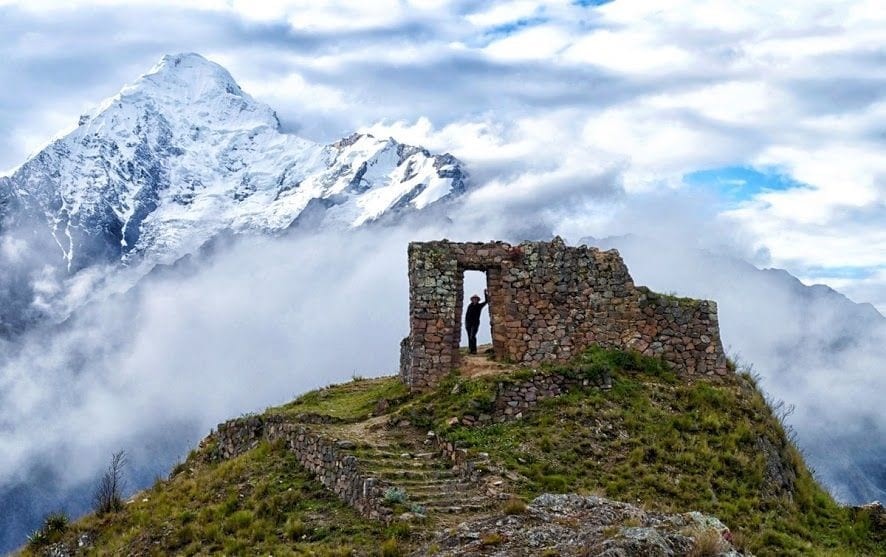
Those who walk the Inca Trail will also see the Sun gate
At 12:00 we will return to Aquas Calientes and we will get to explore the city until 17:00, where we will return by train to Cusco. B.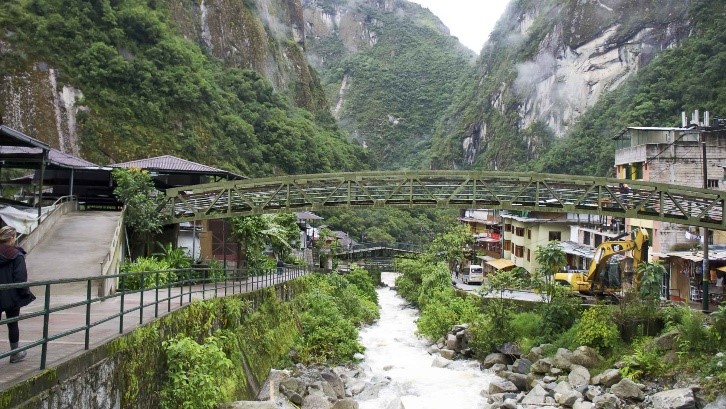
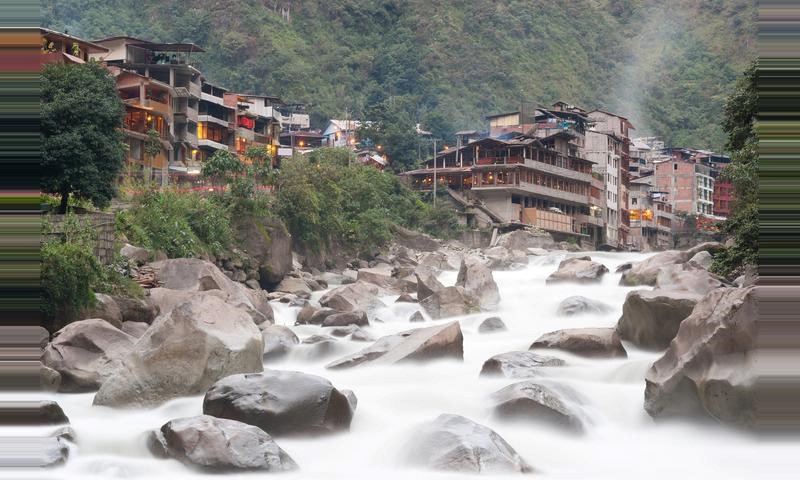 Hotel Costa del Sol Wyndham 4* or Hotel Rumi Punku or similar
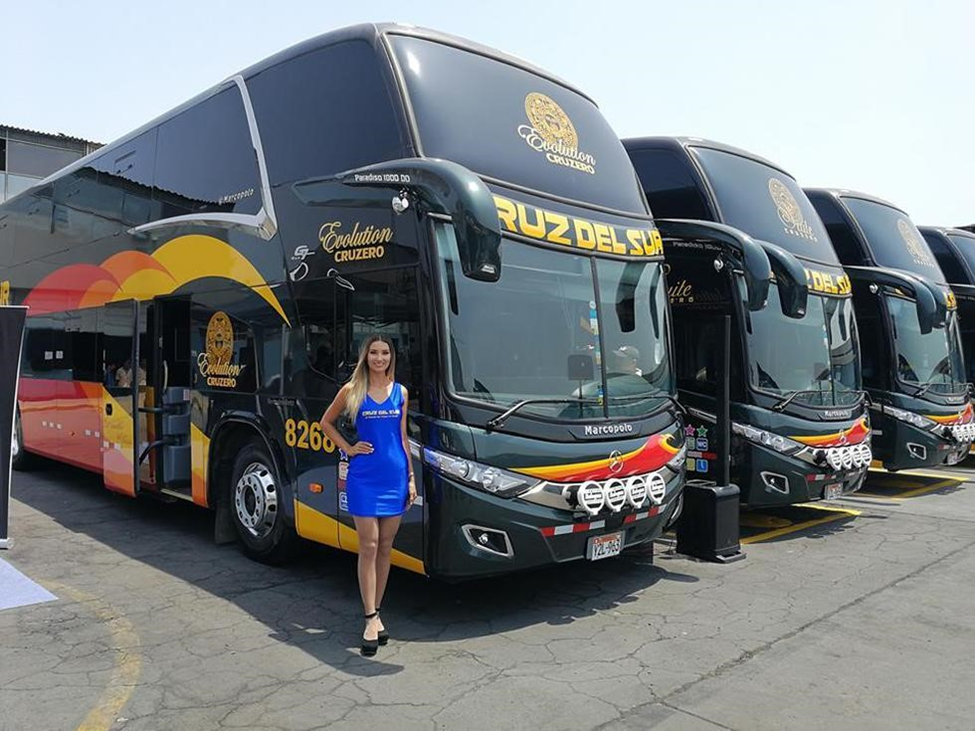
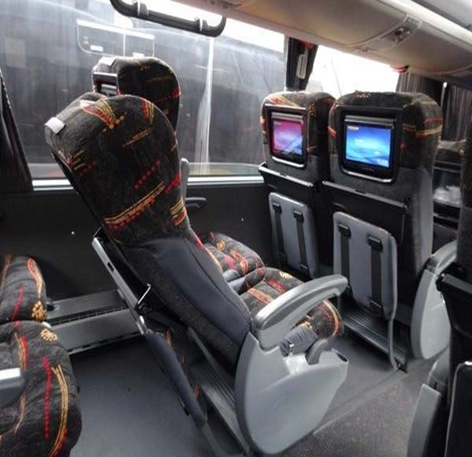
 After dinner we will go to the luxury 5 star buses to embark on the 8.30 hour journey to Puerto Maldonado . The buses are ultra-luxury with very comfortable seats like beds, TVs and service until the end of the route.

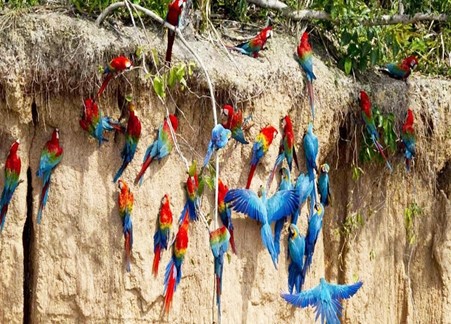
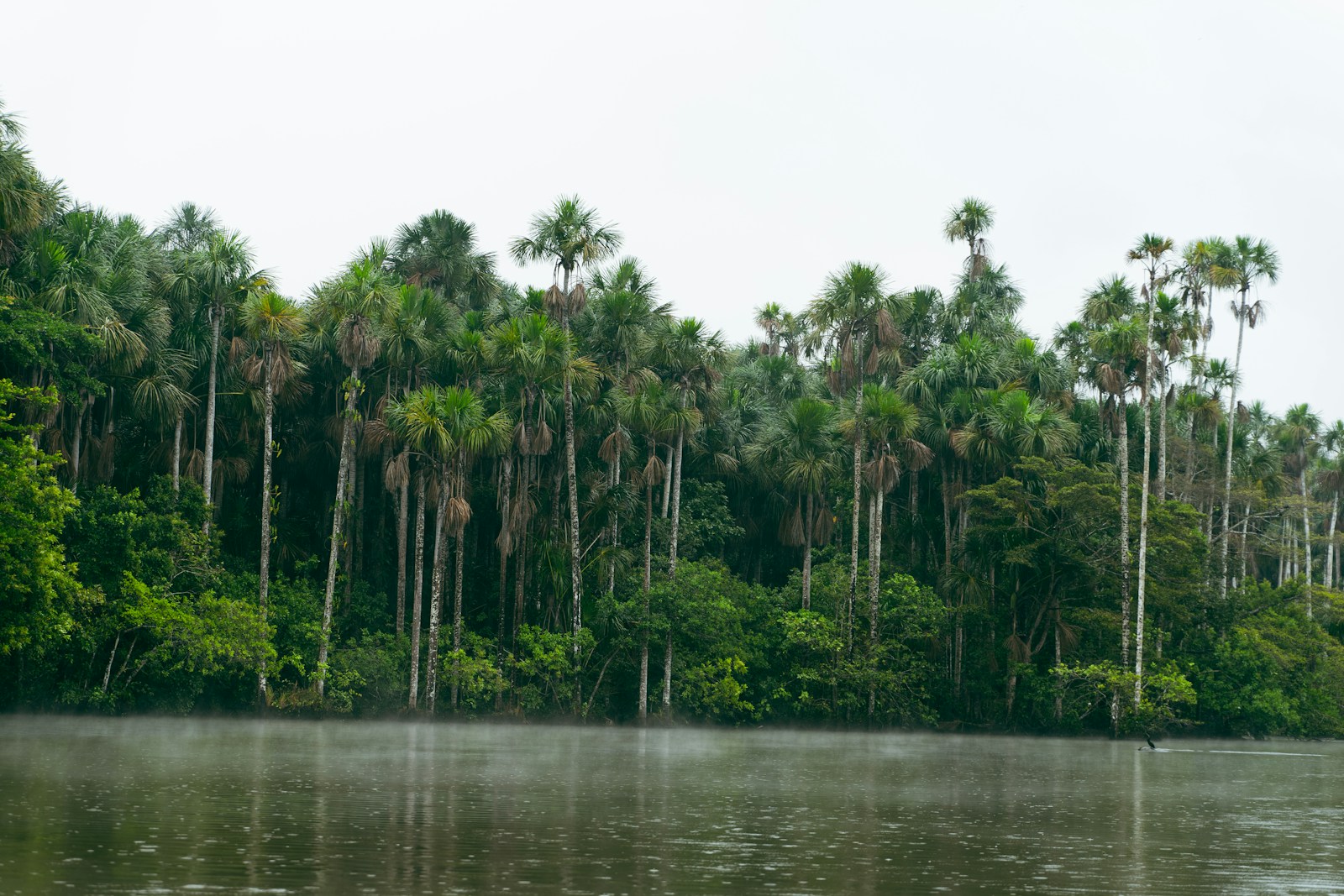
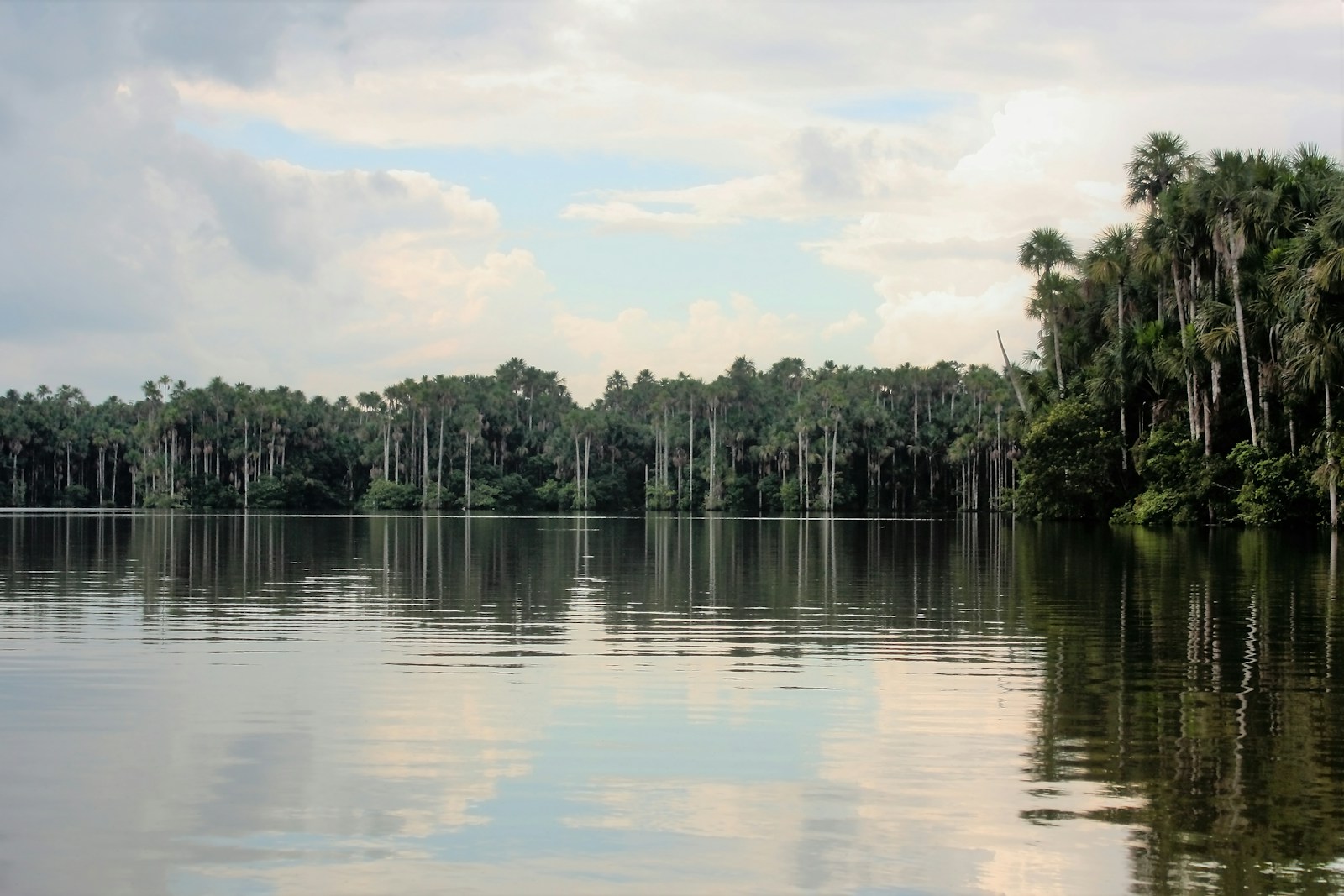
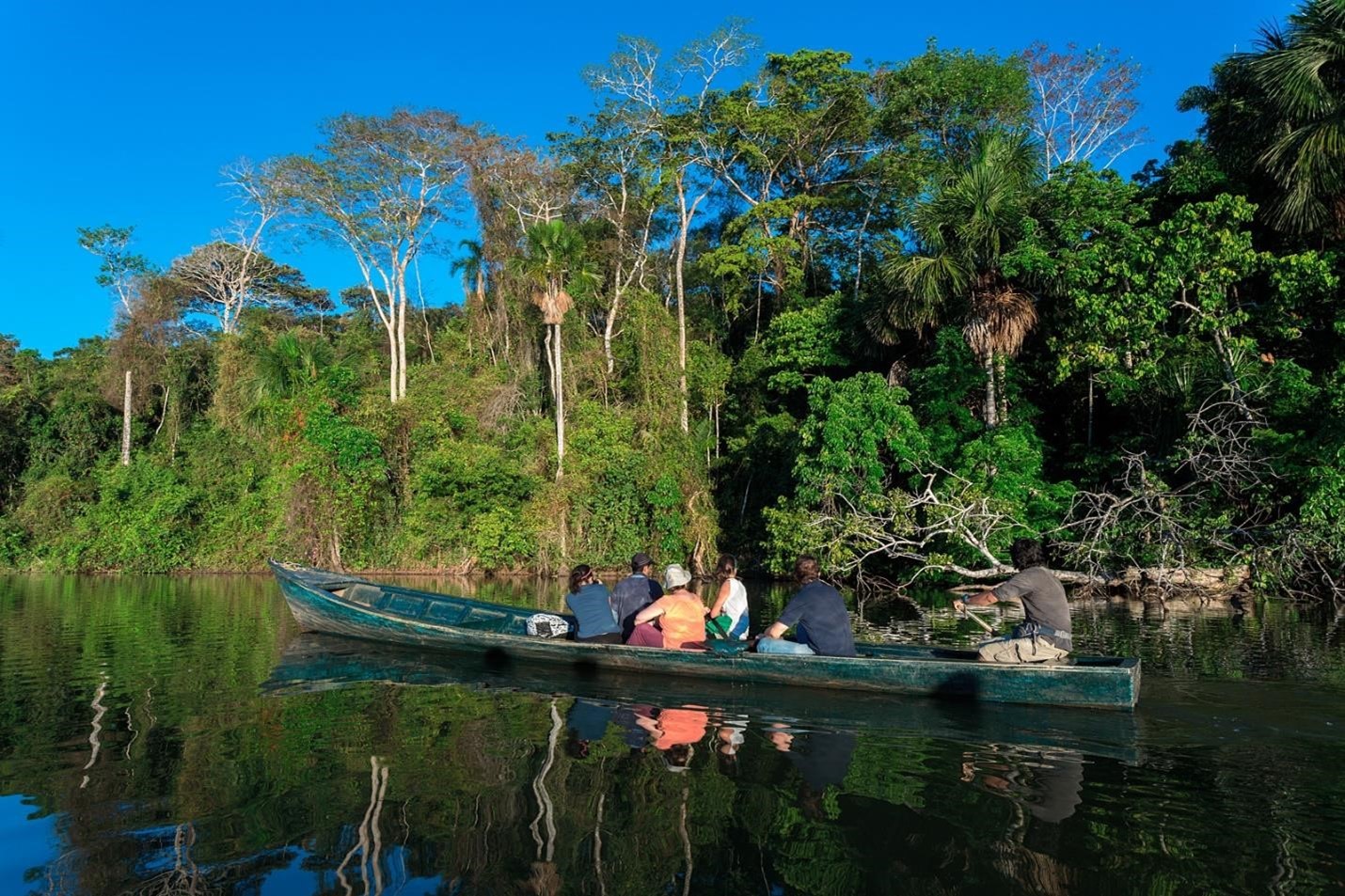 Visiting Puerto Maldonado is the chance to enjoy an easy and accessible introduction to the Amazon rainforest, situated in southeastern Peru. This part of the country is home to some of the most pristine primary rainforest in the world, bursting with exotic wildlife and captivating ecosystems. Anyone with an interest in wildlife should visit Puerto Maldonado if they travel to Peru! Puerto Maldonado grew out of the rubber room of the early 20th-century and solidified its importance through the logging and gold mining industries ever since.
Today, tourism plays an increasing role in the city’s prominence.
Visiting Puerto Maldonado is the chance to enjoy an easy and accessible introduction to the Amazon rainforest, situated in southeastern Peru. This part of the country is home to some of the most pristine primary rainforest in the world, bursting with exotic wildlife and captivating ecosystems. Anyone with an interest in wildlife should visit Puerto Maldonado if they travel to Peru! Puerto Maldonado grew out of the rubber room of the early 20th-century and solidified its importance through the logging and gold mining industries ever since.
Today, tourism plays an increasing role in the city’s prominence.
 After arriving in Maldonado around 08:00 to 09:00, there will be a guide to pick you up to continue the adventurous journey to Puerto Maldonado in the Amazon.
Start the tour with pickup from Puerto Maldonado bus station.
Your guide will be waiting for you right in front of the exit with a sign with your name on it so you can find them easily.
After a short office visit, head to the river where a boat will be awaiting you to take you to the lodge.
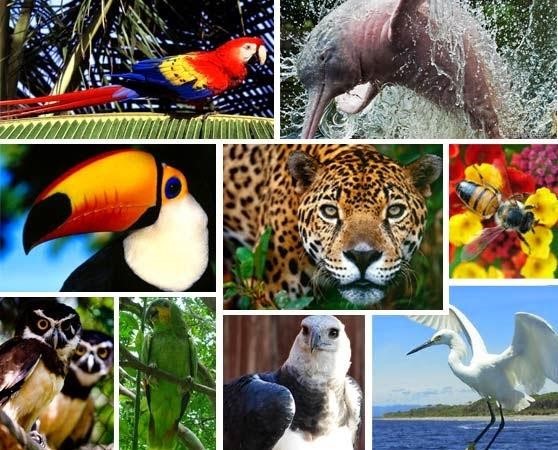
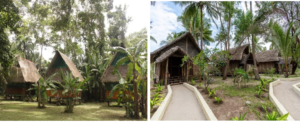
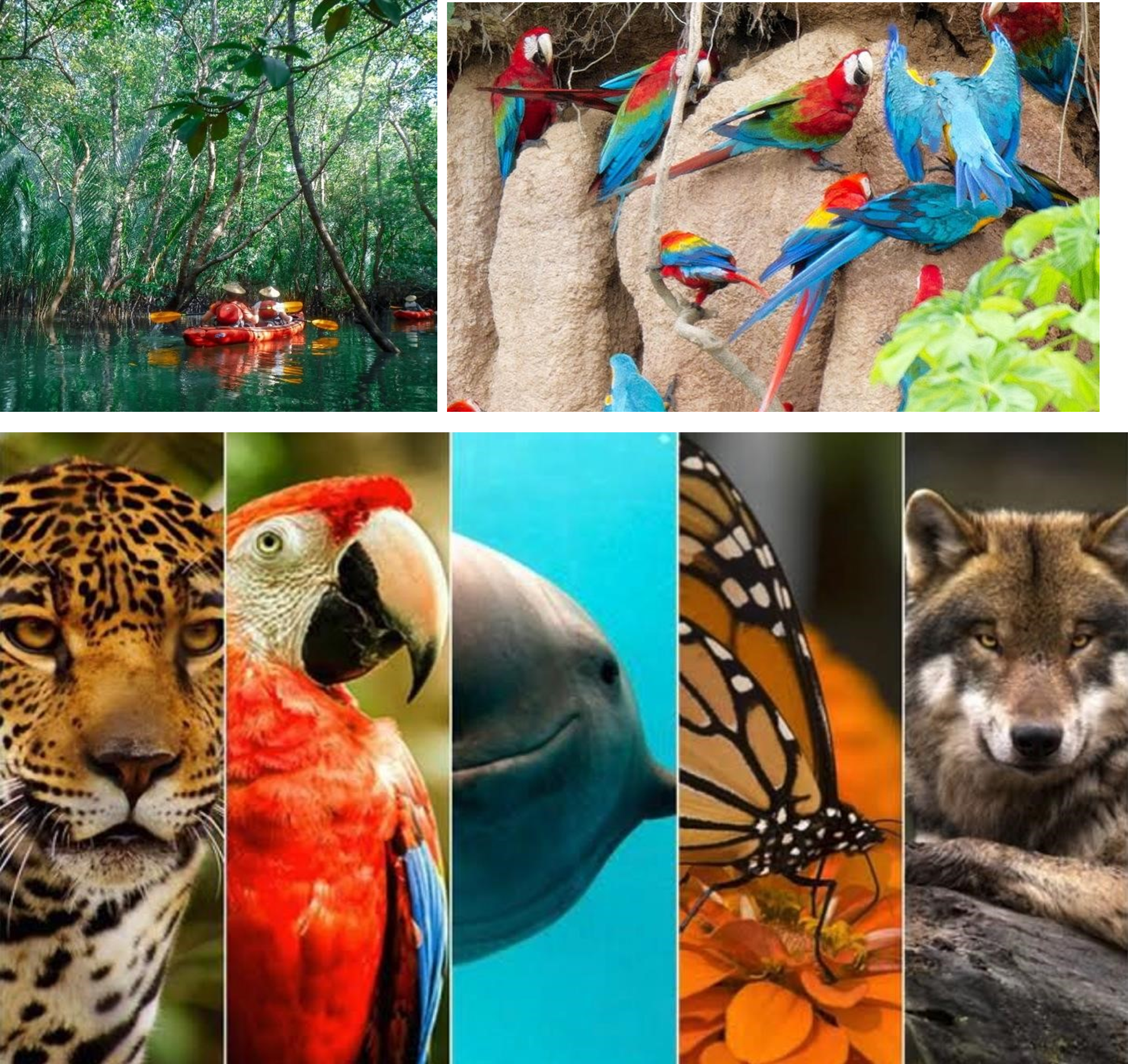
Check in to your bungalow then set off for your first jungle tour. Walk for about 2 kilometers through the jungle searching for monkeys, brown agoutis, and butterflies as you learn about the trees and plants which grow there.
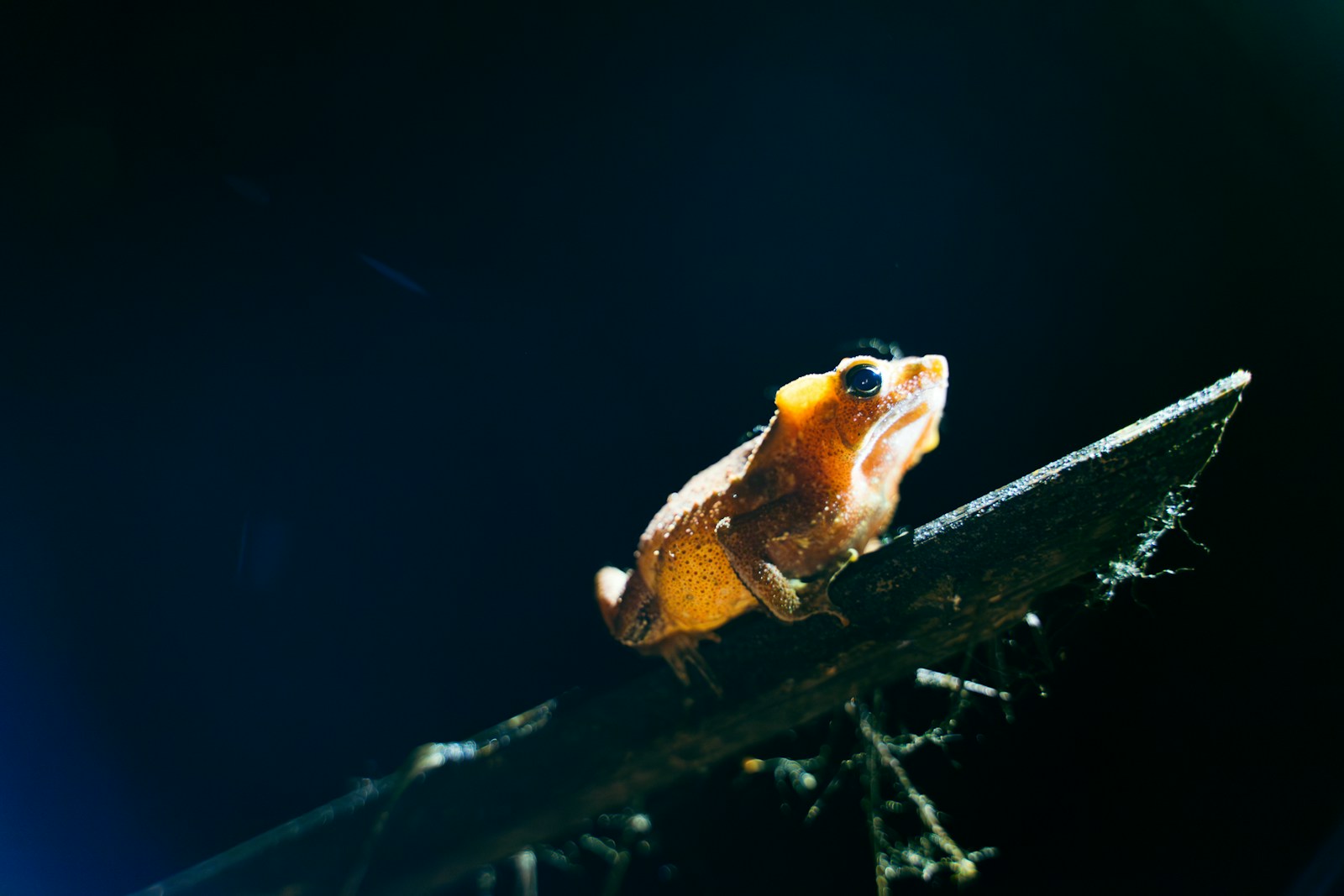
When it gets dark, begin your night adventure on the river to go in search of caimans and capybaras.
Enjoy this exciting tour with the opportunity to learn all about the animals and take pictures. B- L-D
After arriving in Maldonado around 08:00 to 09:00, there will be a guide to pick you up to continue the adventurous journey to Puerto Maldonado in the Amazon.
Start the tour with pickup from Puerto Maldonado bus station.
Your guide will be waiting for you right in front of the exit with a sign with your name on it so you can find them easily.
After a short office visit, head to the river where a boat will be awaiting you to take you to the lodge.
Check in to your bungalow then set off for your first jungle tour. Walk for about 2 kilometers through the jungle searching for monkeys, brown agoutis, and butterflies as you learn about the trees and plants which grow there.
When it gets dark, begin your night adventure on the river to go in search of caimans and capybaras.
Enjoy this exciting tour with the opportunity to learn all about the animals and take pictures. B- L-D




Write Your Review